For a taste of adventure and an injection of adrenalin, head to the Lancelin sand dunes north of Perth.
Here, you can go sandboarding down massive 45 degree angle dunes, which are the biggest in Western Australia.
Hit the sand in a dirt bike or four-wheel drive.
From the peaks, you'll be rewarded with a panoramic outlook over Lancelin, surrounding farmland, sand hills and coastline.
Some of the best views are at dawn and dusk.
The sand dune system is about 2 kilometres long and is nestled directly inland from Lancelin Township.
Lancelin is a 1.5-hour drive north of Perth.
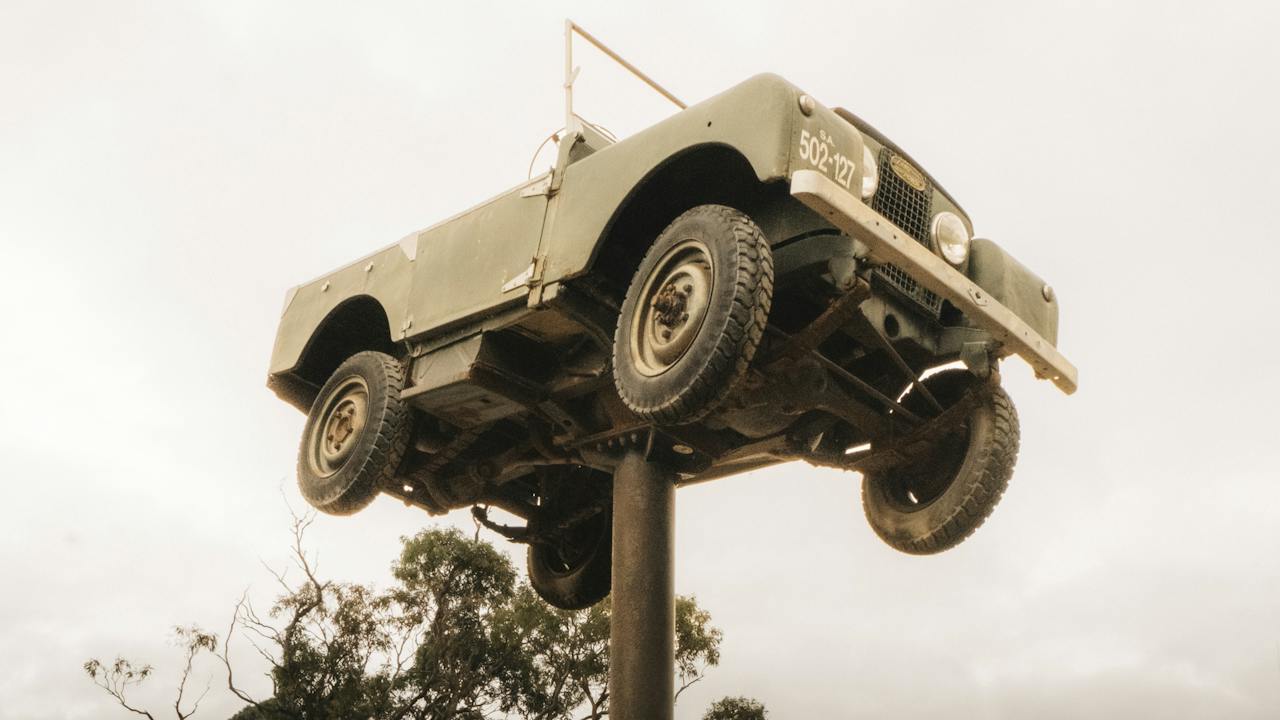
The monument honors the land development initiative funded by the Australian Mutual Provident Society (AMP) in 1950, which transformed extensive bushland into farmland, sparking significant growth in Keith. It also pays tribute to the men and women who contributed to this endeavor.
The memorial features a Land Rover mounted on a pole, alongside an original hut once occupied by one of the families involved in the scheme.
This picturesque pocket of Kosciuszko National Park is well worth the detour off Snowy Mountains Highway. Starting from the Cumberland trail 2WD carpark, 300m from the highway, it's a 5km walk to the lookout, or 800m from the 4WD carpark (closed winter).
You can also mountain bike as far as the 4WD carpark, where you join Landers Creek Falls walk. Breathe in the eucalypt-scented air as birds sing overhead and lizards rustle the undergrowth.
The steep last few hundred metres bring you to Talbingo lookout, high above the valley and reservoir, before you climb the final 300m to Landers Falls lookout. Perched on the rim of a deep gorge, the lookout greets you with fabulous views of Landers Creek Falls as it emerges from the cliff opposite and cascades into a rocky ravine.
The tree protruding from the lookout is a Tingiringi Gum, rare in this area of Kosciuszko National Park.
Landers Falls lookout walk takes you to two lookouts, which are sure to impress you with dramatic views of Landers Creek waterfall and Talbingo Reservoir in the valley below. If you’re in a two wheel drive, you’ll need to park at the Cumberland trail two wheel drive carpark, 300 metres from the Snowy Mountains Highway turnoff. From there, it’s a 10.6 kilometre return walk to the lookout.
In summer, four wheel drive vehicles can continue 4.5 kilometres along Cumberland trail to the four wheel drive carpark (vehicle access closed in winter). From here, it’s a 1.6 kilometre walk to the lookout.
Perched on the rim of a deep gorge, the lookout greets you with fabulous views of Landers Creek Falls as it emerges from the cliff off to the right. It cascades into a rocky ravine and into Talbingo Reservoir. The tree protruding from the lookout is a Tingiringi Gum, rare in this area of Kosciuszko National Park.
This museum is uniquely housed within the original state heritage-listed shire council building. The Landsborough Shire Council Chambers, built in 1924, is a modest, low-set timber construction that was designed by the early-settler architect, Walter Carey Voller.
Within the museum the region's history unfolds, from the Kabi Kabi canoe made by Traditional Custodians, to early settler stories. Photos, memorabilia, artefacts, equipment and everyday items offer an insight into the lives of the early pioneers. Changing exhibitions celebrate important events that inspired or had significant impact on the region. Enjoy the museum's range of events including talks, activities and the annual street festival.
This historic town, which was named after explorer William Landsborough, is situated just off Steve Irwin Way, an easy hours' drive from Brisbane and close to tourist attractions. It is the gateway to the Maleny-Montville scenic drive.
Located 5 minutes drive from Australia Zoo and 400 metres from Landsborough Train Station.
Lane Cove National Park is a beautiful pocket of bushland that sits on either side of the peaceful Lane Cove River. It's in easy reach for Sydneysiders, extending from East Ryde to Pennant Hills and West Chatswood.
It's a great place for a day out with the family; there are lots of picnic areas to choose from, including those that offer picnic tables, barbecues, children's play equipment, flat grassy areas and easy access to walking tracks and places to ride your bike. Whatever activities you fancy, you're bound to find a perfect place to picnic for the day.
When you've polished off the picnic, you can hit the walking tracks to explore the park's bushland, hire a boat from the Lane Cove Boatshed to row along the quiet Lane Cove River or cycle along the park's roads. There's also a fire trail between Pennant Hills and West Pymble, where you can ride your bike if you're feeling more adventurous. The park's historic sites are best explored along the self-guided Heritage walk. Pick up a brochure from the Lane Cove park office. If you'd like to stay overnight...
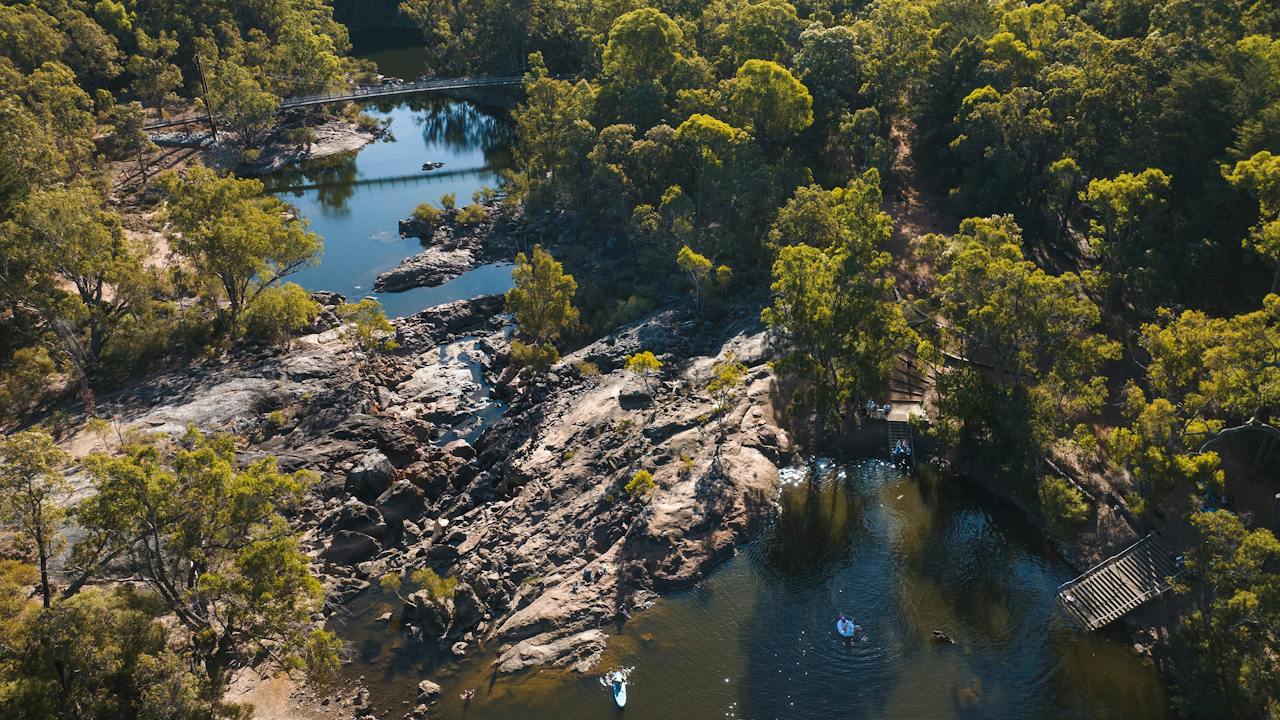
Framed by towering jarrah forest and the winding Murray River, Lane Poole Reserve is one of Western Australia's most loved nature-based destinations. Spanning more than 50,000 hectares, this stunning landscape sits just 90 minutes south-east of Perth or 40 minutes from Mandurah, close to the adventure town of Dwellingup.
Camping, trails and exploring are at the heart of the Lane Poole experience. Scenic campgrounds are scattered throughout the reserve, accessible by two-wheel-drive vehicles, and provide the perfect base for adventurers. Well-equipped day-use areas make the reserve equally inviting for short visits.
Lane Poole is home to the Dwellingup Adventure Trails network, offering mountain biking, hiking and paddle trails for all abilities. Visitors can explore beginner-friendly tracks, take on challenging technical rides, or enjoy mid-distance hikes. Treetops Adventure adds another layer of excitement, with high rope courses and zip lines weaving through the forest canopy.
The winding Murray River provides further opportunities to swim, fish and paddle, with calm pools in spring and summer and faster-flowing sections in winter for experienced paddlers. Seasonal wildflowers, abundant wildlife including the noisy Baudin's, Carnaby's and Forest Red-tailed Black cockatoos above, and iconic features such as the Dwaarlindjirraap Bridge complete the experience, making Lane Poole Reserve a memorable destination year-round.
Visitors can return to nearby Dwellingup to enjoy local cafés, shops and attractions, rounding out the perfect forest escape.
Since its inception in 2018, Lanescape Inc have been transforming the streetscape of Goondiwindi and has turned several small lanes into mammoth works of public art. Each year, the group commissions and leads the creation of new public artworks throughout the town’s CBD - creating a public art trail across Goondiwindi.
The project features works by major national and international artists - including Ian Tremewin, LEANS, Scott Maxwell, Kate Owen and Sarah Sculley - as well as art by local schools and community groups.
Along with major painted murals and sculptures, look out for some smaller artworks hidden throughout Bowen Lane and along the river path. This trail is perfect for families - see how many different artworks you can find in the laneways and paths!
The creativity culminates every year in October during ‘Lanescape Festival’, a family-friendly and fun-filled evening that officially opens the year’s new art additions. Celebrations include street performers, interactive art workshops and plenty of food and drink - if you’re in town, don’t miss out!
Laneway Boulders Adelaide offers a welcoming indoor climbing experience just east of the Adelaide CBD. Located in Stepney, the venue provides a relaxed and community-focused environment suited to all skill levels.
The space is purpose-built for bouldering, with a diverse range of climbs that are regularly reset to keep the experience fresh and engaging. Routes are designed to support beginners while still offering challenge and progression for more experienced climbers.
Laneway Boulders Adelaide is known for its approachable atmosphere and strong sense of community. Visitors can enjoy a social and active experience, whether attending casually, with friends, or as part of a group session.
The venue is ideal for those looking to try climbing for the first time, build confidence, or enjoy a different way to stay active. Its accessible location just outside the city makes it an easy addition to a day exploring Adelaide.
Laneway Boulders delivers a balance of movement, problem-solving, and connection in a welcoming setting.
Laneway Lightbox Open-Air Gallery is an ongoing program with permanent lightboxes and outdoor art exhibitions along AMP Lane Albury that change every four to six months.
Admire the artworks by day as you explore the shops along AMP Lane or continue through to Dean Street, or see the vibrant display illuminate the laneway at night.
Though small in size, Langford Island is one of the Whitsundays' true hidden gems. Located near Hayman Island in the northern part of the chain, it's a favourite stop for sailors, snorkellers, and divers exploring the region. Bareboats and crewed charters often anchor nearby, drawn in by the island's unique beauty and easy access to the reef.
Langford Island is best known for its long, narrow sand spit, which stretches out into the sea at low tide and almost disappears when the tide rises. It's the perfect spot for a picnic, sunbathing, a refreshing swim, or snorkelling right off the beach.
The best snorkelling and diving is found at the north-western end of the beach, where scattered bommies form an intriguing maze of coral formations. For those seeking a bit more depth, a few shallow walls on the eastern end of the island offer even more to explore. Expect colourful marine life and great visibility.
Beyond the beach, a short and scenic hiking trail offers panoramic views across the reef—perfect for photo ops or a quiet moment above the water. Whether you're sailing through the Whitsundays or looking for the ultimate day-trip destination, Langford Island is a must-see slice of paradise.
Langhorne Creek, on South Australia's Fleurieu Peninsula, is a relaxed wine region where visitors can enjoy welcoming cellar doors, great regional food, picturesque vineyards and authentic country experiences. Just 55 minutes from Adelaide, the region offers an easy escape for a leisurely lunch, wine tasting, family day out or weekend exploring one of Australia's most historic wine communities.
What sets Langhorne Creek apart is its laid-back character and remarkable diversity. Ten welcoming cellar doors range from historic winery buildings and restored stone barns to award-winning contemporary spaces, with experiences including wine flights, casual food, modern dining and family-friendly options. Vineyards grow across fertile floodplains shaped by the Bremer and Angas Rivers and cooled by breezes from nearby Lake Alexandrina, creating distinctive wines and a landscape unlike any other.
Visitors can combine a day in wine country with nearby Strathalbyn, Lake Alexandrina, Goolwa and the wider Fleurieu Peninsula. The region's story stretches back more than 180 years, from pioneering vineyards and historic flood irrigation to some of the world's oldest family-owned Cabernet Sauvignon vines. Today, that heritage sits comfortably alongside innovative winemaking, sustainable thinking and a new generation of visitor experiences. With Adelaide less than an hour away, Langhorne Creek is an easy place to slow down, explore and discover something unexpected.
Rugged granite peaks and gentle sloping woodlands are the dominant features of this park. A pleasant walk to the mountain summit presents a view of ancient red gums on the surrounding plains skirted by Mount Buangor in the east and the Grampians in the distant west. Lar-ne-jeering (Langi Ghiran) is from the Djab Wurrung language meaning 'home of the black cockatoo'.
Before you go
Conditions can change in parks for many reasons. For the latest information on changes to local conditions, please visit the relevant park page on the Parks Victoria website.
Be bushfire ready in the great outdoors. Refer to the Bushfire Safety section on the Parks Victoria website for tips on how to stay safe.
The Museum's Aboriginal name translates as "home of yesterday". The collection is housed in a bluestone and brick building built in 1874 and is the home of the Ararat and District Historical Society.
Displays, including many photographs, dressed models, clothing and farm machinery, reflect the gold mining rush of 1856. The Mooney and Charles Best collections of Aboriginal artefacts are also featured. The large collection covers a wide variety of themes of local importance, and includes objects from the nineteenth and twentieth centuries.
Located about 65km from Broken Hill, Langidoon-Metford State Conservation Area offers scenic views, birdwatching and a unique opportunity to experience the exquisite beauty of Outback NSW.
Look out between the Barrier and Scopes Ranges and you'll find seemingly endless views, characteristic of Outback NSW. With its rolling hills, vast plains and wide-open sky, you'll have the opportunity to capture some stunning photographs.
Panoramic views aren't the park's only special feature though, it's also rich in native wildlife. When filled with water the ephemeral Eckerboon Lake is home to large numbers of threatened and endangered birds, including iconic species such as black swans and pelicans. As you make your way through the park, you're likely to see flocks of emus, and keep your eyes peeled at dawn and dusk for flights of pink cockatoos and parrot species nesting in shrublands. There are also vast areas of nelia shrublands, a unique and threatened ecosystem found nowhere else in such abundance within an NPWS reserve.
To complete your Outback NSW experience, history buffs can visit the remains of old houses, woolsheds and stockyards, and camping enthusiasts can enjoy an overnight stay at Eckerboon Lake campground and picnic area.
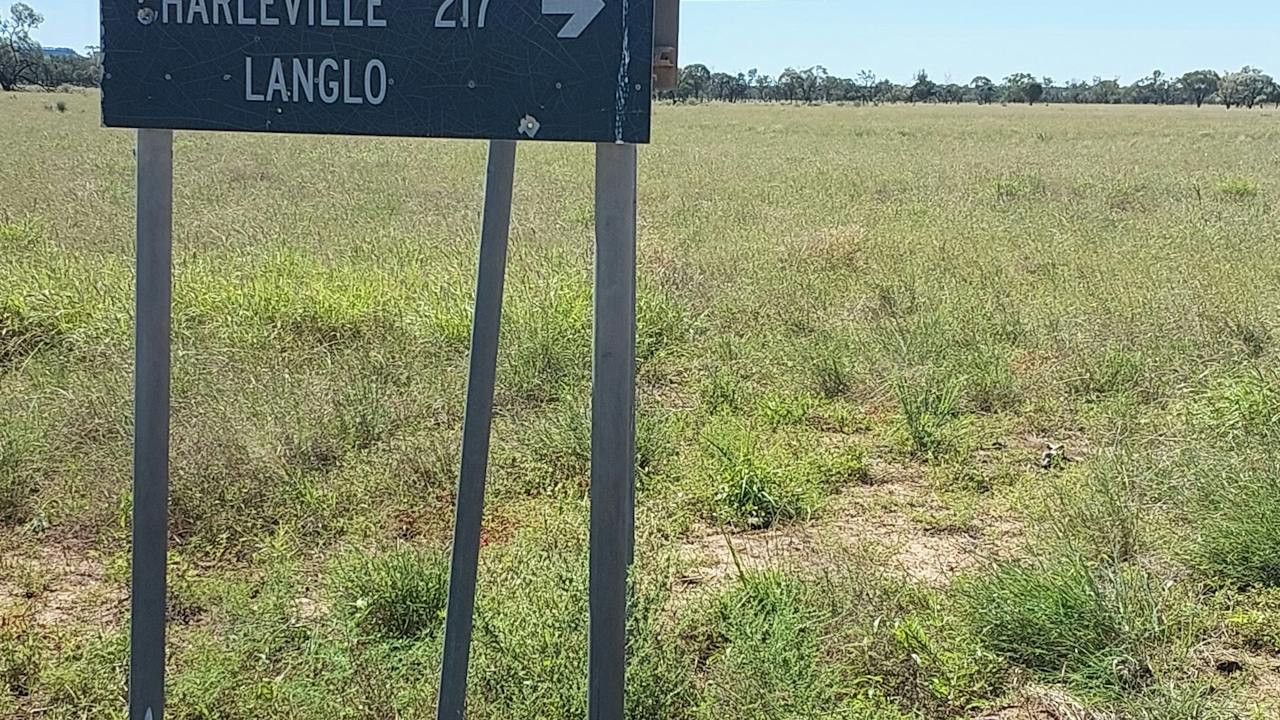
Take a side trip off the Matilda Way along the Langlo-Adavale Road for a bit of off-road adventure, it's a great way to see more of Queensland's Outback as you travel between Tambo and Blackall.
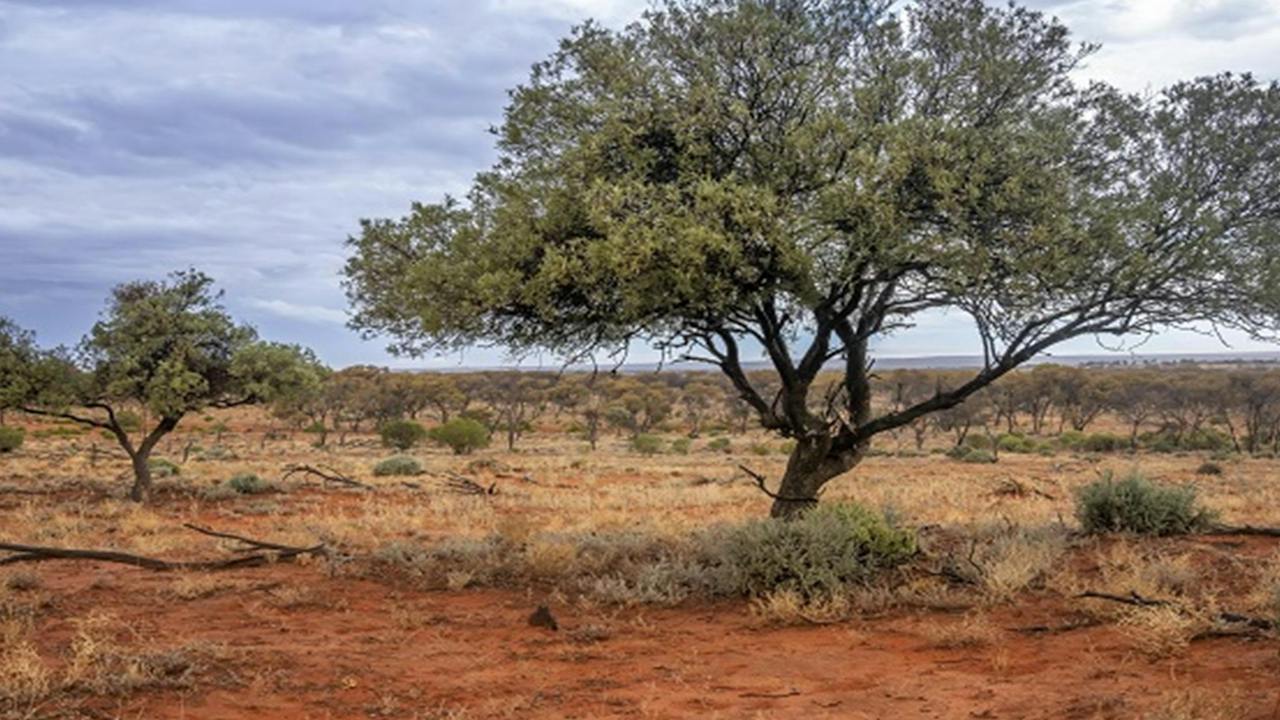
The drive presents great views of beautiful outback landscapes. You will see native wildlife and livestock as you pass through a number of stations. Take care as the track is not fenced and the livestock roam freely.
The Langlo - Adavale Road is approximately 200 kilometres long and will take approximately one day to complete. You will need a four-wheel drive to complete this track and it can become impassable in the wet, so make sure you check road conditions at the Blackall Visitor Information Centre before leaving.
The Langwarrin Flora and Fauna Reserve is an island of relatively undisturbed natural bushland surrounded by the suburbs of Frankston and Langwarrin. The park has an important place in military history with almost a 100 year history of military use spanning from 1886 to 1979.
The park is an ideal spot for walking, jogging, cycling and horse riding. The track network transects a range of vegetation communities and provides access to historical sites.
Before you go
Conditions can change in parks for many reasons. For the latest information on changes to local conditions, please visit the relevant park page on the Parks Victoria website.
Be bushfire ready in the great outdoors. Refer to the Bushfire Safety section on the Parks Victoria website for tips on how to stay safe.
Located in Railway Terrace towards the entrance to the Beachport Conservation Park. Follow a well-defined path through natural bushland with native plants named for easy identification. At the end of this walk is Lanky's Well, which was dug to provide water for the police horses. Lanky Kana, a member of the local Boandik tribe, was employed by the police as a tracker and part of his duties included the care of horses. He also camped by the well, hence the name.
The walk takes approximately 30 minutes. Maps are available from the Beachport Visitor Information Centre.
Experience one of Australia's premier historic properties at Lanyon Homestead, just a thirty-minute drive from Canberra's city centre. Nestled at the foot of the Brindabella Ranges along the magnificent Murrumbidgee River, Lanyon offers breathtaking views of the Australian countryside.
Step back in time with a guided tour of the beautifully restored 1859 homestead, furnished to reflect its rich past. Explore original outbuildings that showcase the property's pastoral heritage and wander through rambling gardens with panoramic vistas of the hills beyond.
Relax with a picnic on the lawns or enjoy a delightful meal at the Barracks Café. Lanyon Homestead also caters to school and group visits with special packages that include guided tours and dining options. For events and gatherings, function rooms and picturesque outdoor spaces are available for hire.
Easily accessible by car with ample parking, Lanyon Homestead is a must-visit destination for those seeking history, natural beauty, and a glimpse into Australia's pioneering past.
Enjoy yourself at Lanyon Vikings, whether dining for lunch or dinner at Red Rock Bistro or stopping in for a caffeine hit and a treat at Moo+Brew Cafe.
Head down to S Bar and relax while you watch the game on the big screens, or play a game of pool with a mate while enjoying an ice-cold bev.
The Lapunyah Art Gallery is a volunteer-run gallery presenting touring exhibitions and artworks from local and visiting artists. Entry is free to all. Activities at the gallery include up to 18 exhibitions per year, official exhibition previews, Artist's Walks, guided tours for community groups and schools, arts and crafts workshops for children and artists, four gallery spaces, arts and crafts merchandise and quality art supplies for sale, and information sharing about the arts in the local community.
Please visit the Lapunyah Art Gallery Facebook page and website for details of current exhibitions and events.
One of Lara's oldest historic buildings, The Lake Bank Hotel, is Lara's only surviving 19th century hotel. It was constructed for Scottish immigrant James Henderson and operated as a licensed hotel until 1908. The distinctive limestone buildings were home to five generations of Mr Henderson's family until purchased by Mr Bisinella in 2010.
Two long-time Lara residents and friends, Ian Board and Les Kelly, had long held a desire to establish a Museum in Lara, and that desire was increased after they were involved in organising a remembrance day in January 2009 for the 40th anniversary of the disastrous 1969 Lara Bush Fires. However, they struggled to find a suitable building to bring the dream to life.
When they learnt that Mr Bisinella had purchased the Lake Bank Hotel they approached him about the possibility of using the historic buildings as a community museum. He enthusiastically agreed and embarked on the major restoration project that again made the old hotel ready for public use.
A community organisation, The Lara Heritage and Historical Inc, was incorporated on 12 January 2012, and its volunteer members operate the museum. The museum was officially opened on 18 April 2013.
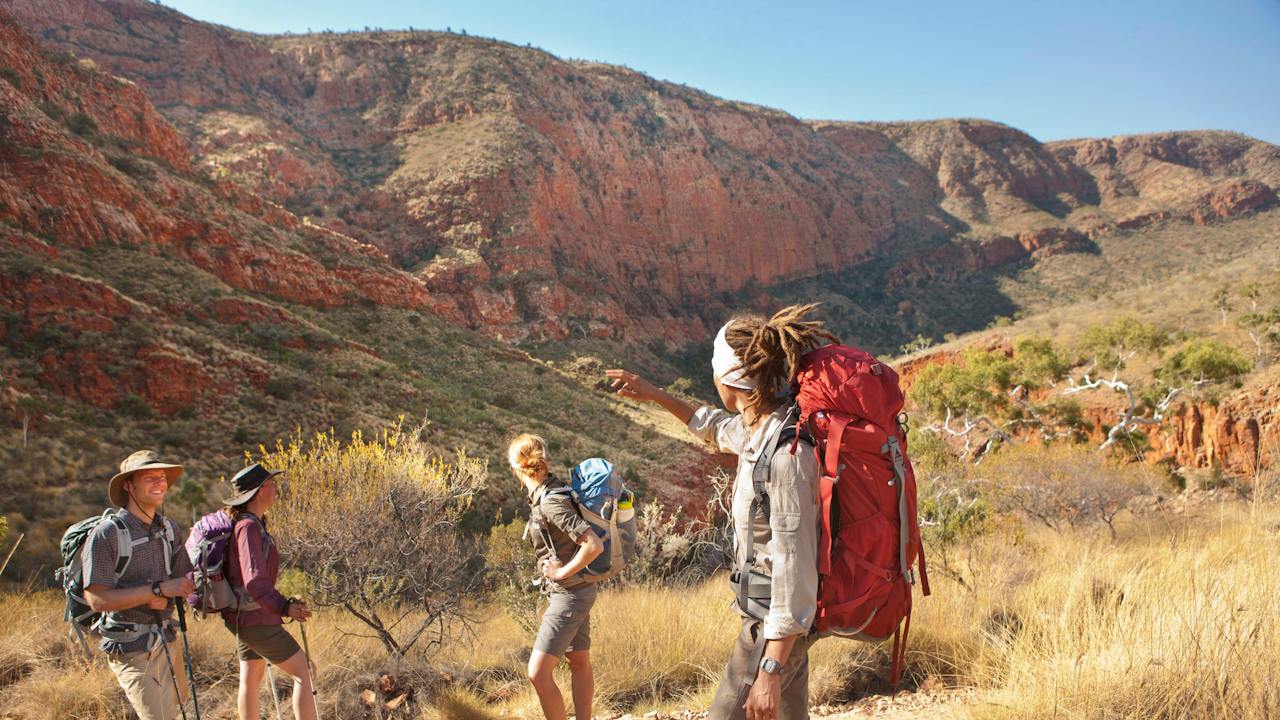
Ranked as one of the planet's top 20 treks, the Larapinta Trail is a 231km path that follows the rocky spine of the West MacDonnell Ranges from Alice Springs Telegraph Station to Mount Sonder.
Challenge yourself to hike the whole trail or tackle one or more of its 12 sections, all of which vary in difficulty and length. Each section can be reached by four-wheel drive, so you can join or leave the trail at any of the trailheads.
The trail encompasses some of the key attractions of the ranges including Simpsons Gap, and the permanent waterholes at Ellery Creek Big Hole, Ormiston Gorge and Glen Helen. It weaves past some of the world's most ancient metamorphic and igneous rock and nearly 600 species of flora.
The trail also links in with other walking tracks within Tjoritja / West MacDonnell National Park, allowing side trips to explore more of the park.
Along the way you camp under the stars. Most campsites have picnic tables and tent sites. Multi-day walker fees and camp fees apply. Multi-day trail use and campsites must be booked online before you arrive. All trailheads have a water supply. Fully guided tours are available; otherwise set off on your own – ensure you're well equipped and have notified the relevant authorities.
Nestled in the heart of Mount Barker in the Adelaide Hills, Laratinga Wetlands is a beautiful place to walk (pram friendly), cycle, picnic, watch the local birdlife or just enjoy a peaceful natural environment.
Laratinga Wetlands is a man-made oasis and productive water reclamation facility that is a biodiversity hotspot and recreation hub. Several trails and boardwalks wind around the wetlands through native vegetation. The wetlands are an important habitat for a range of resident, migratory and nomadic birds with over 150 species recorded at the site – there are several bird-watching ‘hides’ for observation.
The wetland's trails are linked to the Mount Barker Linear Trail, a seven-kilometre shared pathway that follows the creek line to Keith Stephenson Park.
The word Laratinga comes from the Peramangk name for nearby Mount Barker Creek (Lartingga-parri). The site has four murals produced by young Aboriginal artists in recognition of the Peramangk people as the traditional custodians and caretakers of the district.
Facilities include a picnic and barbeque area, shelters, seats and an environmentally friendly toilet.
Interpretive signage provides information about the Aboriginal heritage, water treatment processes, biodiversity and vegetation, with tours available for school and community groups.
Laratinga Wetlands is a 35-minute drive from central Adelaide via the South-Eastern Freeway (take the Bald Hills exit), or five minutes from Mount Barker centre and around fifteen minutes from Hahndorf.