The Coobowie Estuary is home to a fascinating array of birdlife. Nestled at the edge is a wonderful bird hide, enabling you to watch our feathered friends go about their business.
You will also be able to sit and watch the Osprey nest in their new Osprey platform installed in June 2023.
Arm yourself with a complementary brochure available from Coobowie Caravan Park, to assist in identification of the species and spend a leisurely few hours in the great outdoors. You can also walk around to Edithburgh via the walking trail.
Coobowie Water Tank Mural: A Burst of Coastal Life
Nestled along Gumbowie Road, the Coobowie Water Tank may stand just four meters tall, but its mural is a vibrant explosion of color, movement, and local character. Created over 16 days by the artist duo Creature Creature (Chanel Tang and Ambrose Rehorek) with Jason Parker, the artwork transforms the tank into a dynamic tribute to Coobowie's birdlife and coastal flora.
Using a mix of hand-painting and spray techniques, the mural wraps the tank in a flowing design that mirrors the life of the Coobowie estuary and reserve. Birds take flight across the canvas—Great Egrets, Black Swans, Royal Spoonbills, Pelicans, Cape Barren Geese, and Pied Oystercatchers—captured in mid-motion or serene stillness. Woven among them are bold botanical details: Pigface, Mallee Bush Pea, Coastal White-Mallee, Osbornes Eyebright, and Clover Glycine, each rendered with striking lines and vivid hues.
The mural doesn't just showcase what makes Coobowie unique—it celebrates the deep connection between place and nature, inviting viewers to pause and appreciate the wildlife that thrives here. This project was made possible through the AusTrade Bushfire Recovery Grant, with support from the Coobowie Progress Association, Yorke Peninsula Council, Yorke Peninsula Tourism, SA Water, and Wellbeing SA. A small tank with a big story!
The Coochiemudlo Curlew Gallery is an art destination for visitors who have an eye for local art depicting the diversity of life on this little gem of an island.
There are 24 artists who form the Coochiemudlo Artisan Collective and this gallery space is where you will find their art.
On Sunday mornings, the art spills out into Artisan Alley, where you will find a variety of local craft and island keepsakes.
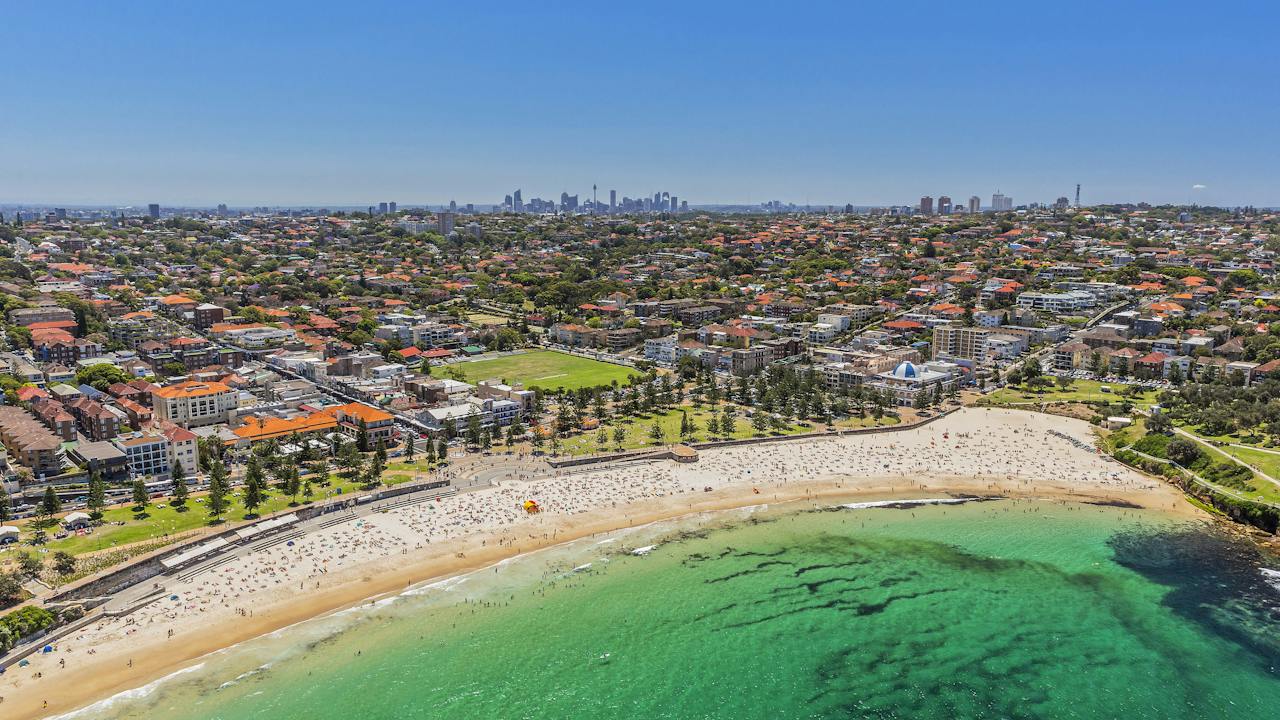
Access an underwater wonderland from Coogee Beach, recently named as one of Australia’s best 15 beaches. This sweeping stretch of sand is half an hour from Perth and just a few minutes south of the thriving port city of Fremantle.
With almost almost 4 kilometres of stunning, turquoise-fringed coastline, Coogee Beach provides the perfect playground for outdoor enthusiasts. Explore the walking trails and historic jetty of Woodman Point, then grab a pair of flippers and soak up the unforgettable sights below the water’s surface.
At the northern end of the beach, Coogee Maritime Trail is a circular snorkelling and diving route designed for aquatic adventures. Located about 25 metres from the shore, the trail offers an unparalleled opportunity to get up close to the atmospheric remains of the shipwrecked Omeo, which sank in 1905, as well as other relics that speak of the area’s rich seafaring history. You’ll also pass sculptures and art installations, and come face to face with the area’s abundant marine life – including inquisitive stingrays, seals and dolphins.
At the southern end of the beach, Jervoise Bay Sailing Club continues to celebrate Coogee’s seafaring traditions with regular races throughout the sailing season, which takes place from October to the end of May.
Coogee Beach is a great beach with calm surf and is family-friendly. The promenade area has restored historic buildings and nurtured parklands.
Most of the facilities are located at mid-beach with showers, change rooms and toilets near the Arden Street bus stop.
Upmarket restaurants now jostle with fish and chip shops and an increasing number of boutiques.
As the beach curves south, the park leads into Grant Reserve, which has an enclosed lawn and a children's playground. A path veers off towards the most controversial feature of the area, the women's pool. Next door is Wylies Baths, an ocean pool with a grand wooden platform, a good length for laps.
Coogee is the ideal spot to begin the coastal walk to Bondi along a clearly marked pathway with stunning ocean views.
Coogee Run Club offers four runs every week, each taking in a different slice of the east. Tuesday evenings see a 5-kilometre run south to Maroubra. Wednesday mornings see a speed session in Queens Park. Thursday mornings run north to Gordons Bay and Clovelly, and finish with a dip and coffee in Coogee, and Sunday mornings see a 10 kilometre run to Malabar Headland National Park and back.
The Coogee Run Club is for all paces and all faces and encourages everyone from beginners to speedsters to get on board. Runs through Coogee feature out-and-back routes, with pit stops along the way, and there is always a meet-up at the finish line, so no one gets left behind.
Cooinda Reserve in West Wyalong is an ideal location for free 24-hour camping, offering a peaceful escape surrounded by natural beauty and local heritage. The reserve is well-equipped with essential amenities, including covered barbecue areas, picnic spaces, toilets, and a dump point, making it a comfortable and convenient stop for visitors. A standout feature is the scenic wetlands, perfect for leisurely walks and spotting native wildlife. For those seeking a water-based activity, kayaking on Cooinda Waters provides a calm and picturesque way to explore the canals. The reserve is also home to Mirri Ngurang, a dedicated dog park, making it a welcoming spot for pet owners.
In addition to its natural appeal, Cooinda Reserve is rich in history, with several sites that reflect West Wyalong's past. The Poppet Head and Neeld's Hut highlight the area's mining heritage, while interpretive signage throughout the reserve shares stories of its significance. The newly developed Bland RSL Memorial Walk offers a meaningful experience, honouring the contributions of the local community. Visitors can also discover unique features such as the Evolution Mining Liebherr Bucket, historic eucalyptus stills, and a collection of art sculptures, all adding to the reserve's distinctive character.
Standing proudly in Cooinda Reserve, the Liebherr 994B Excavator Bucket is a striking reminder of the significant contribution made by the Cowal Gold Operation to the Bland Shire community. Donated to Bland Shire Council by Evolution Mining in 2020, the bucket celebrates the region's rich mining heritage and its ongoing connection to the gold industry.
The Cowal Gold Operation, located approximately 40 kilometres north-east of West Wyalong, extends across the Bland, Lachlan, and Forbes Shires on the traditional lands of the Wiradjuri people.
Originally attached to EXC302, a 294-tonne mining backhoe excavator, the bucket was constructed from Bisalloy 80 steel, renowned for its exceptional strength and resistance to wear. From 2005 to 2018, it logged an impressive 50,000 operating hours at the Cowal Gold Operation before being retired and relocated to its current home.
Today, the bucket serves as a unique landmark and a symbol of the enduring link between the region's historic gold rush era and its modern mining industry.
Cooinda Waters, located within the peaceful surrounds of Cooinda Reserve, offers a tranquil escape where visitors can reconnect with nature. The calm waterways create an ideal environment for canoeing, inviting paddlers to drift gently along while enjoying the sights and sounds of native wildlife. The wetlands are also home to Golden Perch, recently released into the area, further enhancing the region's rich biodiversity.
Scenic walking trails meander through the reserve, guiding visitors across charming bridges that provide picturesque views of the water and surrounding landscape. Whether you choose to explore on foot or glide through the canals by canoe, Cooinda Waters is a relaxing haven for nature lovers and outdoor enthusiasts seeking a quiet, scenic retreat.
Cook Island Aquatic Reserve (Jungarra Ngarrian) is located approximately 600 metres offshore from Fingal Head and approximately four kilometres south-east of the Tweed River mouth in northern NSW.
This aquatic reserve includes approximately 80 hectares of marine estate and is famous for its colony of green sea turtles waiting to share a swim with visitors all year round!
Cook Island is perfect for all levels of experience with snorkelling tours able to access all of the island's marine life encounters, as well as diving options available.
Hard and soft corals cover the bottom in some areas, with boulders forming walls and caves descending to the sandy sea floor. A colourful and interesting mix of reef and pelagic fish call Cook Island home including pufferfish, groupers and clownfish (hi Nemo) just some of the common residents. Photographers will find plenty of photogenic subjects, with nudibranchs, stingrays, turtles, wobbegongs and even leopard sharks over summer.
Several threatened or protected species also occur in this marine reserve, including the giant Queensland grouper, black rockcod, goldspotted rockcod (formerly known as an estuary cod) and the grey nurse shark.
Cook Park embodies the seasonal colours of Orange all year round. Summer's arrival brings gardens of stunning and vibrant coloured roses. From February to April, hundreds of begonias bloom in the 'Blowes Conservatory', and in Spring, a burst of colour arrives with masses of tulips and daffodils.
This 4.5-hectare parkland in the heart of Orange is named after Captain James Cook and was originally laid out in a traditional Victorian design in 1873, with straight paths and rows of trees. Much of the original design is still in place.
This National Trust area is also home to duck ponds, swings (for kids), an aviary featuring predominantly native birdlife (for bird watchers), the peaceful Lattice Fernery and for the craft lover, there is the Cook Park Guildry.
The Guildry can be found in 'Bastick Cottage', a Victorian-style heritage building. Visitors will find a wide range of unique handcrafted goods, including pottery, knitting, woodwork, homemade jams and freshly baked goods.
Cook Park is an easy 10-minute walk west of the Orange CBD via Summer or Kite Streets.
The self-guided heritage walk is very popular with brochures available in the Guildry or from the Orange Visitor Information Centre.
Situated in Cook Park's historic Bastick Cottage, the Guildry is a community-run group selling locally made handcrafted goods, baked goods and produce.
Among the items sold are knitted, sewn and crocheted items, pottery, leather and woodwork, painting, jewellery, cakes, slices, jams, chutneys and honey.
The Cook Park Guildry is a great place to find a gift or souvenir from Orange.
The self guided walk will teach you about the origins of Cook Park, first proclaimed in 1873. The walk takes in the original caretakers cottage which now hosts the Park Guildry, adorned with local arts and crafts. Learn the original use of the German 'Whiz Bang Gun' located at the eastern gates and check out the impressive lattice fernery too.
Cook Park was laid out with straight paths and rows of trees, with much of the original design still in place. There is a display of Tuberous Begonias in the Blowes Conservatory from February to April every year.
Cook Park embodies the changing seasonal colours of Orange. Summer's arrival brings gardens of stunning and vibrant, coloured roses. From February to April, hundreds of begonias bloom in the Blowes Conservatory and in spring, a burst of colour arrives with masses of tulips and daffodils.
Take the time to breathe the fresh air and stroll around Cook Park experiencing the beauty and heritage of these gardens.
Nestled in the heart of town, Cooke Park is the ideal spot to unwind and enjoy the beautiful outdoors. With lush green lawns, towering shady trees, and plenty of space for the kids to play, it's the perfect place for a relaxing day out.
Take time to explore the park's fascinating public art, including the iconic Elvis statue, Jaffa the Astronaut, and the stunning Cooke Park Mural.
Located just a short stroll from the CBD, Cooke Park offers easy access to a wide variety of shops and dining options, making it a great place to relax and then explore the local attractions.
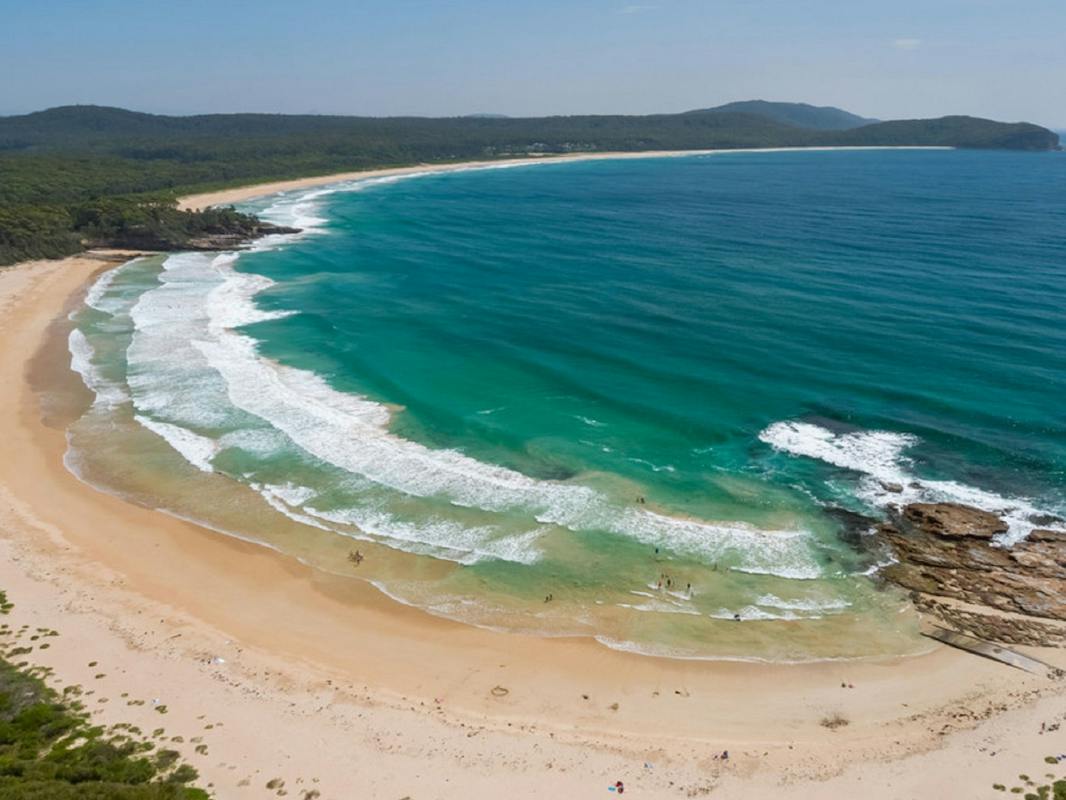
Only ten minutes off the highway but a world away, Cookies Beach Picnic Area sits within Murramarang National Park at South Durras. Spread out a picnic rug, soak up the spectacular beach views and keep an eye out for the eastern grey kangaroos that love to bask in the sun along the sand.
When you're ready to stretch your legs, a short stroll to the southern headland leads to the Wasp Head geological site, one of the area's must-see highlights.
Entry is free, and there is a car park and toilet facilities on site. It's an easy, relaxed stop for families, nature lovers and anyone chasing a quiet slice of the unspoilt Eurobodalla coast.
Established in 1975, Cooks Hill Galleries is one of Australia's leading commercial art galleries. An exquisite array of unique and collectable paintings, sculptures and ceramic pieces, together with works of colonial impressionism and the modern period, can be found adorning the walls and exhibit spaces in this beautifully restored cottage-style gallery.
The Gallery has four main exhibition spaces, two main galleries and a premium and collectible art gallery space. We are open Wednesday to Saturday 10am to 5pm.
The Gallery presents regular exhibitions and features art within four rooms, with artworks from a quality stable of Australian artists, from contemporary to colonial, i.e. Brett Whiteley to Conrad Martens.
The art on offer includes Abstract, Modern, Impressionism, Surrealism, and Traditional. CHG also deals in painting and sculpture from emerging artists.
The walking track out to Cooks Nose is well-marked and steep in places, but the views at the end are simply spectacular. The track wanders through open expanses of heathland, which burst with colour in spring when the wildflowers are out. The brightly coloured red and yellow Christmas bells are a special treat on this walk.
There are also plenty of birdwatching opportunities. You might see eagles riding the thermal air currents above Kangaroo Valley or a group of black cockatoos. But keep a special eye out for threatened heathland birds like the striated fieldwren, eastern bristlebird and ground parrot.
Relax for a while, take in the views looking out from the top of the escarpment, or head back to Barren Grounds picnic area or nearby Robertson for a warm lunch.
Originally located in Yorkshire, England, and built by the parents of Captain James Cook, the cottage was brought to Melbourne by Sir Russell Grimwade in 1934. Astonishingly, each brick was individually numbered, packed into barrels and then shipped to Australia.
Navigator and explorer Captain James Cook never lived in the cottage – he’d been away from home for almost 10 years when his father built it – but this connection to the Cook family was enough to prompt Grimwade to transport the cottage to the other side of the world.
Combining modern interpretations of Captain Cook's adventures, centuries-old antiques, a delightful English cottage garden, volunteers dressed in 18th century costumes and an interpretive space in the stable, Cooks' Cottage is a fascinating step back in time.
Entry to the cottage includes a comprehensive fact sheet for a self-guided tour. Available in English, Cantonese, Mandarin, Italian, Spanish, Russian, Thai, Indonesian, Japanese, German, French, Vietnamese and Korean.
School tours and group tours and visits are also available.
Tickets and souvenirs can be purchased from the Fitzroy Gardens Visitor Centre, just 100 metres away.
Cooktown Museum offers visitors an enriching experience of history, culture, and natural beauty. Situated in a heritage-listed building, the museum immerses guests in the fascinating stories of Cooktown’s past, including its connection to James Cook, the Guugu Yimithirr people, and the region's rich maritime heritage.
The exhibits are thoughtfully curated to engage visitors of all ages. Highlights include the Endeavour Gallery, which showcases artifacts from James Cook’s voyage, and a tribute to the Guugu Yimithirr people, who share their deep connection to the land and sea. Interactive displays, multimedia presentations, and rare historical objects provide an engaging journey into Cooktown’s vibrant history.
Its unique combination of heritage, storytelling, and cultural respect is what sets Cooktown Museum apart. The museum celebrates the enduring legacy of the local community while preserving the historic charm of its 19th-century building. Visitors can enjoy tranquil garden spaces and breathtaking views of the Endeavour River.
A trip to Cooktown Museum is an opportunity to connect with stories that shaped Queensland’s history. It’s an unforgettable experience where past and present meet.
Coola Outstation Historical Walk winds past the old Coola Outstation which was part of the Benara sheep station, occupied by stockmen and their families. It was operational until the mid 1950s and is now a ruin. With interpretive signage and old farm machinery along the way you can discover the story of early European settlement. The trail is 7kms and is 20kms from Millicent. It is easily accessible with a 2WD vehicle.
The walk includes the Coola Lookout, offering views of the lake, dunes and farmland surrounds. The trail passes along a boardwalk in an area of dryland tea-tree known as the 'singing forest' for the noise it makes on breezy days. There are picnic facilities available to enjoy.
Walking south from the outstation, the trail passes the remains of a boat, then crosses Beggs Swamp before reaching Sandy Bar, on the banks of Lake Bonney. This wetland area provides
valuable feeding grounds for many wetland birds, including terns, ducks and herons. You may even spot a kangaroo, emu or echidna on your walk. Continue on the loop, heading north away from the lake and returning to the carpark across sand dunes and boardwalks.
Take a stroll through a unique and exquisite craft shop at Coolah Crafts, where you will find a large variety of locally made country handcrafts, including woodwork and ceramics.
You will also find patchwork and jewellery designed by local artisan Annette Piper. Sample delicious homemade condiments and treats or make a purchase from their beautiful wool and haberdashery display.
Coolah Crafts is a must-see when visiting or travelling through town, and Thursday is cake day. Make some time and call in!
Sitting at the junction of the Warrumbungle and Liverpool ranges, Coolah Tops National Park is a beautiful landscape of giant grass trees, tall eucalypt forests and stands of huge snow gums. Take in spectacular views and see magnificent waterfalls on walking trails like The Falls link track, Racecourse track or Grasstrees track. Explore the Bundella track and Mullion track on your mountain bike. Birdwatchers should keep their eyes open, as Coolah Tops is home to an abundance of wildlife and birdlife, so you might see wallabies, eagles, gliders and rare owls.
You may need to spend a weekend discovering everything that Coolah Tops has to offer. There's remote camping, so you can spend the night stargazing, or after a day of walking and mountain biking, perhaps you'd prefer to sleep soundly at rustic Bracken's Cottage.
Just 2 kilometres from Berridale on the Kosciuszko Road, the 18-hole course offers golfers a scenic yet challenging experience. With gently undulating fairways lined by pine trees and greens maintained to an excellent standard, the course is suited to players of all abilities.
The layout features two distinct nines: the front nine demands accuracy with smaller raised greens, while the back nine offers larger, flatter greens with subtle breaks to test even the best putters. Players will also find a mix of shorter par 4s, testing par 5s, and par 3s that call for precision.
Whether you're a local or a visitor, the course provides a rewarding round in a friendly, welcoming atmosphere.
Competitions run twice weekly on Wednesday and Sunday, open to players with handicaps.
Social golfers are welcome at any time.
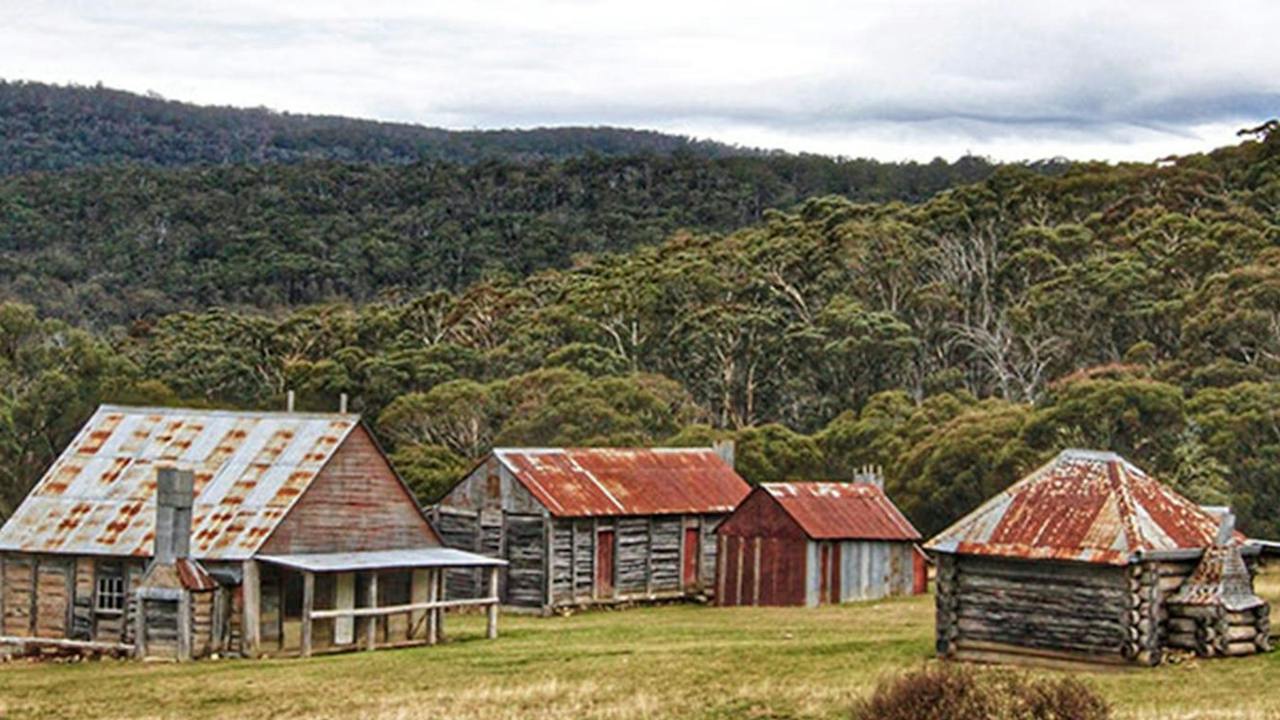
Coolamine Homestead is located between Cooleman Mountain and Blue Waterholes campgrounds, along Blue Waterholes trail.
Set among grassland and snow gums, the homestead's collection of buildings showcase different building styles from the late 1800s. Step inside to discover Snowy Mountains' high country heritage and get a taste of what life was like in this remote environment.
The walls of the main residence, Campbell House, are lined with old newspapers. Take your time to read the news stories from the early to mid 1900s.
Imagine the sounds of cattle being mustered as you stroll around the homestead site and discover Coolamine's hidden treasures. Then relax on the veranda to enjoy the views, and listen to the wind rushing through the snow gums before heading down the road to Blue Waterholes and its gorge walks.